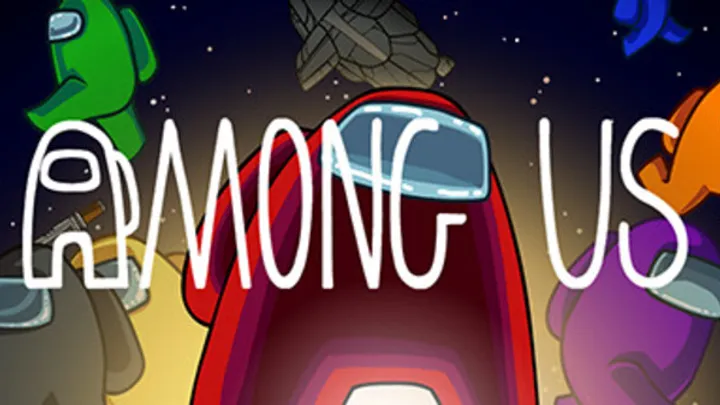


Among Us did not revolutionize gaming through graphics or mechanical complexity. Instead, it transformed the social deduction genre by digitizing suspicion. What began as a small multiplayer title built around simple tasks and hidden impostors evolved into a cultural phenomenon that reshaped online interaction during a period of global isolation.
This article examines the chronological evolution of Among Us—not as a strategy explanation, but as a structural analysis of how its systems of trust, voting, map expansion, role diversification, and social psychology developed over time. Through updates, community influence, and mechanical refinement, Among Us evolved from a minimal deception game into a layered social experiment in digital paranoia.
1. Initial Release: Simplicity as Design Philosophy
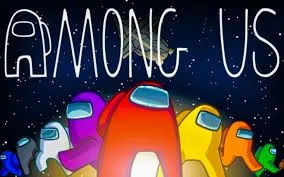
When Among Us first launched, its structure was deceptively minimal. A group of crewmates completed tasks aboard a spaceship while one or more impostors attempted to eliminate them without detection.
The mechanics were clean and direct. Crewmates had task lists. Impostors had sabotage tools and vent systems. Meetings were called to vote out suspected players. There were no complex skill trees, no progression-based power curves—only suspicion.
Core Launch Mechanics
- Task completion objectives
- Impostor elimination mechanic
- Vent-based mobility
- Emergency meeting system
Structural Clarity
The lack of mechanical clutter focused attention entirely on conversation and deduction.
2. The Map as Behavioral Architecture: Skeld Era
The Skeld, the original map, shaped early gameplay psychology. Its layout encouraged chokepoints, isolated corridors, and centralized meeting spaces.
Map design in Among Us was not about terrain complexity—it was about proximity and visibility. The spatial arrangement dictated suspicion patterns.
Skeld Structural Traits
- Reactor and electrical vulnerability
- Linear corridor design
- Security camera visibility
- MedBay scan verification
Trust Through Architecture
Visual tasks like MedBay scanning became early “proof-of-innocence” mechanisms, influencing vote logic.
3. Viral Explosion and Social Media Amplification
Years after release, Among Us experienced explosive growth due to streaming platforms and content creators. The core mechanics remained unchanged, but social context transformed the experience.
Voice chat through third-party apps intensified real-time deception. Public lobbies expanded dramatically, altering social norms within matches.
Cultural Acceleration Factors
- Streamer collaborations
- Meme circulation
- Real-time voice interaction
- Cross-platform availability
Shift in Tone
What began as quiet deduction turned into high-energy debate, accusations, and dramatic reversals.
4. Polus and Environmental Complexity
The addition of Polus introduced environmental differentiation. Its larger layout, temperature-based tasks, and distributed structures changed pacing.
Unlike Skeld’s tight corridors, Polus offered open spaces and longer travel routes. This altered kill timing and alibi construction.
Polus Innovations
- Seismic stabilizers
- Wide exterior zones
- Laboratory verification tasks
- Asymmetric travel distances
Strategic Impact
Longer movement windows increased uncertainty, complicating timeline tracking.
5. Mira HQ and Controlled Mobility
Mira HQ introduced a unique vent network connecting nearly all sections. This fundamentally changed impostor mobility.
The map reduced chokepoints and emphasized quick traversal. Impostors gained high escape potential, but crewmates benefited from door logs that tracked movement.
Mira HQ Features
- Centralized vent grid
- Doorlog tracking system
- Compact layout
- Communications sabotage prominence
Information vs Mobility Balance
The doorlog system introduced indirect surveillance, complicating deception.
6. Account Systems and Moderation Evolution
As popularity surged, issues like trolling, inappropriate usernames, and cheating intensified. Developers introduced account systems to moderate behavior.
This marked a shift from casual accessibility to structured oversight.
Structural Additions
- Player account creation
- Reporting systems
- Age-based chat filters
- Improved lobby controls
Community Stabilization
Moderation tools preserved the social deduction environment by reducing disruptive behavior.
7. The Airship: Vertical Expansion and Task Diversity
The Airship represented the most ambitious map expansion. Larger than previous maps, it introduced vertical movement via ladders and platform mechanics.
Task complexity increased. Spawn selection at the beginning of rounds diversified early-game positioning.
Airship Enhancements
- Multi-floor structure
- Moving platforms
- Custom spawn choice
- Expanded task variety
Tactical Variation
Spawn diversity disrupted predictable early movements, increasing impostor unpredictability.
8. Role Expansion and Mechanical Diversification
Originally, roles were binary: crewmate or impostor. Later updates introduced specialized roles such as Engineer, Scientist, Guardian Angel, and Shapeshifter.
This transformed gameplay from pure deduction to layered strategic uncertainty.
Role Additions
- Engineer (limited vent access)
- Scientist (vitals monitoring)
- Guardian Angel (temporary protection)
- Shapeshifter (identity mimicry)
Trust Fragmentation
Role complexity blurred visual certainty. Venting no longer guaranteed guilt. Identity became fluid.
9. Visual Redesign and System Modernization
Graphical updates refined character models, interface clarity, and task presentation. Customization expanded significantly.
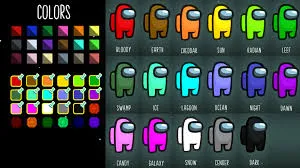
Cosmetics became identity markers. Players signaled personality through outfits, pets, and colors.
Visual Evolution
- Improved UI scaling
- Cosmetic bundles
- Animated kill sequences
- Enhanced meeting interface
Identity Personalization
Customization strengthened player attachment and social presence within lobbies.
10. Long-Term Sustainability and Social Deduction Legacy
Among Us demonstrated that minimal mechanics can sustain massive engagement when social systems are strong. Its long-term relevance depends less on mechanical expansion and more on maintaining balance between chaos and clarity.
The game’s structure remains centered on suspicion. Every update—maps, roles, moderation—supports that core.
Sustainability Factors
- Balanced role distribution
- Continued map variation
- Moderation infrastructure
- Community-driven engagement
Enduring Core
At its heart, Among Us remains a conversation engine disguised as a game.

Conclusion
Among Us evolved from a simple spaceship deception game into a multi-layered social deduction ecosystem. Through map expansions like Polus and Airship, role diversification, moderation systems, and cosmetic personalization, it deepened complexity without abandoning its fundamental premise: hidden betrayal within cooperative structure. Its genius lies not in mechanical density, but in social tension. Trust, suspicion, timing, and persuasion define every match. Across its evolution, Among Us proved that in digital spaces, uncertainty is the most powerful mechanic of all.